When I moved to the UK, boosters for the Covid vaccine were already starting to roll out across the US, so I figured at one point or another, I would have to navigate getting one in the UK. I couldn’t really find much out there about getting a booster as someone who had their first two doses abroad, so I thought I’d throw a post together in case someone comes looking (not sure I attract that much traffic, but hey, why not)!
Since I’m under 30, I was in the last age bracket to become eligible for the booster in the UK. That day came on Wednesday, December 15. Most people were advised to book their booster online as soon as they were eligible. Unfortunately for me, I couldn’t do that. Even though I have an NHS number, and have registered my first two doses with my GP, those doses aren’t registered in the NHS database. As such, when I tried to make an appointment online, it would only allow me to book a first dose (which then required you to book a second at the same time). I rang 119 (the NHS helpline for Covid) to ask about how to proceed, and they told me to go into a walk-in center. You can find walk-in centers near you by heading here!
When Wednesday rolled around, I rocked up to the walk in center closest to me at opening (which was still one mile away from where I live – about three tube stops and a bit of a walk), and the queue was already very long. I was glad to see how many people were trying to get their booster, but after about two hours, I was disappointed to learn that I was too far back in the queue to be guaranteed a booster that day (and it would still be about a four hour wait even if I was). The staff was very kind though, and suggested returning any other morning, but to be prepared to get there very early, and that’s exactly what I did. I went back to that same center two days later, and started the queue (I was first in line) 2.5 hours before the center even opened. I was alone for about 15 minutes, but by the time I’d been waiting around 90 minutes, I could no longer see the end of the queue.
Shortly before the center opened, they came out to check what dose we were getting, confirm when the date of our last dose was, and to tell us to have our vaccine proof out, as well as our NHS number (if you knew it – some centers don’t require an NHS number to get vaccinated. It just won’t get recorded on your registration if you don’t have one). When I got in the center, I sat in one of 12 plastic chairs, before being motioned up to a table where they took my full name, post code, date of birth, phone number, NHS number, and asked what dose I was getting. After I was signed in, I went back to waiting in the plastic chairs before getting called up to the second table where another worker took my details again, entered in my CDC doses (somewhere, but not in the NHS database), asked me questions related to my medical history, whether I’d had Covid in the last 28 days, a vaccine in the last seven days, if I’d ever had any allergic reactions, you get the gist… Once I’d gone through all those questions, I went back into a makeshift curtained stall with the woman who would be administering my jab. She confirmed all my personal details, asked about my first two doses (again, there’s no evidence of me having gotten them other than my flimsy CDC card), and in which arm I wanted the jab. She was absolutely so kind, and asked if I’d like to have her narrate what she was doing, or if I’d rather talk about something random. She administered the jab, and then gave me a paper NHS card with the lot number and date, which I’ve put into the plastic pocket I have for my CDC card. She also gave me an “I’ve had my Covid vaccination” sticker (although I did ask for one after seeing them on her desk).
Forever collecting stickers to celebrate getting jabbed!
Unlike in the US, you’re not required to wait for 15 minutes after getting the jab in the UK. That being said, I always mention when getting vaccines that I have a history of passing out from them (which is true, although it’s not happened recently). The woman who gave me my jab immediately told me that she wanted me to sit in the designated waiting area, and escorted me there. The staff there made sure I sat down, and even brought me a water bottle! I only waited for about five minutes (that’s all I need to know I’m good), but it was lovely to see their kindness and how they’re looking after people heading to the walk-in centers.
Other random observation, but in the center where I went, they didn’t use band-aids for the jab, but rather a cotton ball and tape! It doesn’t really matter either way, but I found it an interesting thing to note.
ANYWAY. That was the process of getting the booster! Not counting how long I stood outside queuing, the entire process took about 20 minutes, and that includes me sitting and waiting for a bit. It’s to be seen if I can get the Covid pass from the booster, or if it will show up in my NHS app, but that’s also something I can deal with later (ironically, they’ve just set up a foreign vaccination verification process, and I was meant to have an appointment next week for that, but they’ve cancelled it for me, ostensibly *because* I got the booster. There are now no appointments for that kind of thing anywhere in the country as there are apparently only a handful of computers that can handle that process). I’m just very grateful to have been able to get the booster, and for it to have been relatively painless (the process, my arm on the other hand…).
Long story short, if you’ve not been double jabbed in the UK and can’t book an appointment via the NHS, head to a walk-in center! The earlier you can get there, the better!
As a side note: I checked my NHS app 24 hours after my booster, and my vaccination was in my vaccination record. I also now seem to have a travel Covid Pass. To be determined if it actually works for travel, but it’s all updated and in the system! Now just to get my foreign vaccines certified!
Since this was my first Halloween in London, I wanted to mark the occasion somehow. I’m not a big partier, nor did I want to do anything on a Sunday night (having work the next morning does mean I need at least some sleep), but I still wanted to “celebrate” the day by doing something special. I’ve been meaning to visit Hampton Court Palace for a bit now, and when I saw that they had “Halloween at Hampton Court Palace” running during October half term (which included Halloween itself), it felt like a perfect opportunity! I had a great time, and I thoroughly enjoyed myself, both with the spooky Halloween theme, and just in visiting the palace itself. Here’s how my Halloween adventure went down!
Walking up to the palace
I had pre-booked my tickets to the palace for 1:00pm (due to the pandemic, all Historic Royal Palaces locations require booking in advance), and CityMapper told me it would take approximately 76 minutes to get from where I live to Hampton Court Palace. A bit of a trek, but not too bad all things considered. To get to the palace via public transportation, you’ll need to take a train to Hampton Court, which you can catch from Waterloo, Vauxhall, or Clapham Junction (those are the stops you can access via the tube). Things were going smoothly until I got to Vauxhall to catch the train, and due to bad weather in the morning (and the night before), every train departing from platform 8 was delayed (all trains from Vauxhall to Hampton Court depart from platform 8, in case you were wondering). Not only were they delayed, but there was no time posted for departure, so it was just me and loads of other people stood on the platform, listening to an endless repetition of “the 11:31 train to Hampton Court is delayed,” “the 11:46 train to Guilford is delayed”… you get the picture. This resulted in me getting on a train much later than I had hoped, but ultimately, I was only around 15 minutes late to my entry time, and they didn’t have any issue with it. It was a bit of a reminder to be alert when catching trains though as they randomly announced that the train to Hampton Court would be departing from platform three, and then by the time I got to that platform, the train was there and almost ready to depart! Thankfully I got on and was on my way!
Getting from the train station to the palace is super easy. There are signs to follow, but essentially, you’ll walk straight out, cross the bridge, and the palace will be slightly beyond that and on the right! As a budgetary side note, my journey from start to finish cost me £11.60 roundtrip paying contactless. I’m pretty sure I was traveling during peak hours for both the train and the tube, but that’s a good ballpark price for getting to Hampton Court Palace from zone 1-2 of London, and back!
Coming up the drive to the palace is a sight to see, and then after my ticket had been scanned, I was greeted by cobwebs and pumpkins everywhere to mark the season. Base Court, where you enter, was also soundtracked by spooky noises to get you into the spirit of Halloween. I started out my afternoon by admiring Base Court, before heading to the cellars for a 20 minute ghost story telling session. The guide informed everyone there about the ghosts that have been seen in the castle, including those that have been seen by staff and guests recently! It was a good way to get myself into the spooky, scary mindset for the rest of my Halloween at Hampton Court adventure. I also picked up a Ghost Hunters Journal, which outlined the seven ghost sightings you might encounter while visiting. They had special areas set up for these sights so you could try to spot them yourself!
Base Court
Ready to go ghost hunting!
While the Halloween decorations were exciting, there was still the palace itself to explore. I started my non Halloween visit with Henry VIII’s kitchens. There you can wander through Fish Court, into the massive Great Kitchen, and through the serving place to see how meals would’ve been prepared while Henry VIII ruled. From there you could access the ghostly area of The Sandeman in the cellars. I found the kitchens the quickest area to get through, but it’s astonishing how large it was, and it’s hard to imagine how many people were actually being fed by those kitchens!
Fun side note: Use the toilets off of Base Court (at least the women’s) to use a stall dedicated to one of Henry’s wives. There are six stalls so you could be in a divorced, beheaded, died, or survived stall, and have it be attributed to the proper queen!
Stall four of six: divorced!
From Henry VIII’s kitchens, you’ll walk through the Anne Boleyn Archway to get to Clock Court. Under the archway though, you can take a left and climb some stairs to get to Henry VIII’s apartments. For Halloween, just before you went in, they had carved seven pumpkins: one to look like Henry VIII, and the other six as his six wives. Quite impressive and cute to say the least!
Henry VIII and his six wives in pumpkin form!
It’s the HallowQueens!
The apartments tell the story of Henry’s six wives, while also highlighting the large meals and banquets the king would host. You’ll wander through the Great Hall, which is adorned with tapestries, and beautiful stained glass windows. The tables in the middle of the hall have fun facts written on them so you can read about what life at court was like (mainly from a food perspective), and how you’d be expected to behave had you attended a royal banquet with Henry VIII. You’ll also get to see artwork of Henry VIII, and his various wives, along with his heirs. The ghostly apparition in the apartments was “the shrieking queen,” where you could sit and watch a seance where Catherine Howard made a ghostly appearance.
A very royal greeting as you enter Henry VIII’s apartments
Emerging from Henry VIII’s apartments, you can directly go into “Georgian Story” where you’ll go through the Queen’s Guard Chamber, public drawing room, and the Queen’s gallery as you wander through the Georgian impact on Hampton Court Palace. There’s also an art gallery you can visit, as well as a cartoon gallery for more art viewings if that’s of interest to you. Exiting this part of the palace, you can then move onto William III’s apartments. This was more expansive than I thought it would be, and the diagram on the map you can pick up as you enter the palace didn’t portray nearly all that you can see in this area. The rooms are filled with artwork, and you can learn about yet another era of the palace’s history. As you exit into Clock Court, you can look up at the astronomical clock, which is also quite impressive!
Gaze up at the astronomical clock from Clock Court
From there, I decided to scope out the remaining spots in my ghost hunters journal so I could make the most of my Halloween at the palace. There was a “Gallery of the Damned” with paintings of Thomas Cromwell, Anne Boleyn, William III, Cardinal Wolsey, and more that came to life to depict their tragic deaths. It felt very Disney Haunted Mansion to me, but in a good way! I also visited an area dedicated to “the executioner” and the Grey Lady, both of whom had elaborate set ups to showcase where they’ve been sighted in the past. There were also several employees (actors?) dressed up as the apparitions who wandered certain parts of the grounds, but I’m not entirely sure who they were all representing as they wandered silently. I’m sure one was the Grey Lady, and another was the wandering queen, but my best guess for the others would be a buried workman (he rattled chains so maybe that was a clue?) and there was one other who looked like Louis XIV, but obviously that’s the wrong country! I thought it was all quite clever, and a very fun way to use the superstitions surrounding the palace as educational material while taking advantage of the time of year!
Halloween decorations!
After going through all the indoor areas, I ventured out into the gardens, which are sprawling. There are so many with different names, and I definitely didn’t get to them all (although that’s mainly because it started raining very heavily and I wanted to seek some dry shelter)! There are beautiful fountains though, and in some areas, it felt very Versailles-esque. There’s a canal that runs along part of the gardens, and the grounds are covered with geese. There’s also a giant maze you can get lost in before finding the “quick exit” sign and ducking out lest you get left behind in there (shhh, that’s definitely not what I did).
Enjoying a spot of sun in the gardens!
Overall, I really enjoyed my visit to Hampton Court Palace! The Halloween decorations, and the spooky ghost hunting made the visit feel that much more fun, and I loved seeing how into it the palace got. From the sounds, the decorations, the special areas… it was very creative, and educational at the same time. They did a great job of balancing out the Halloween themed areas and the actual visiting areas so that it didn’t feel too much like a gimmick, but that instead, it enhanced the visit. I’m sure it’s a lovely visit outside of Halloween, but I’m glad I spent my October 31st at the palace!
It’s a cliché expression, but I can’t believe it’s been over a month since my plane landed at Heathrow airport. I feel like everything has been go, go, go the whole time, so I’m trying to take some time to reflect, and to write about what has been the most stressful part of my move: opening a bank account. It’s one of the big things when you move abroad, but there are certainly others, so I’ll be writing about those as well – hopefully this might help if you’re (thinking of) moving to the UK!
Enjoy a soothing London gif before I dive into the horror of opening bank account here
Opening a bank account in the UK
Since I moved to the UK for a job, opening a bank account was top of my list of priorities because I wanted to be paid. The last time I opened an account in the UK, I was a student, and I’ve since found that the requirements for opening an account as a student are endlessly easier than when you’re here under any other status (essentially as a student, all you need to do is show a letter of acceptance from the university where you’ll be studying and they’ll let you open an account – except at NatWest where they have a three year residency requirement for students wanting to open a student account). It took two weeks for me to find a bank that would accept me, and I’m not going to lie, I cried through the streets of London on a few occasions because of how stressful the whole process was. I’m not sure how helpful writing up my experience will be for future movers to the UK, but in case it is, here’s how it went down.
Before I moved, I made an appointment with Santander online for shortly after my arrival since a lot of banks are currently requiring you make an appointment in advance due to the pandemic. Santander has a bank account that is specially for people who have relocated to the UK within the last twelve months, either to study or to work. Perfect, right? Or so I thought. To open a bank account in the UK, you need proofs of address, and this is a whole catch-22 situation where you sometimes can’t get those proofs without a bank account, but you can’t get a bank account without them (flashbacks to France). Santander required two proofs of address, but would allow me to use a letter from my employer with my UK address as one of them. I had already sorted out my living situation, so I had an address going in, but you can see how this would be problematic if you didn’t have a permanent address, yet. The list of proofs of address you can use is fairly long, but as a non UK citizen, about 1/3 of them weren’t available to me anyway. The bank also wouldn’t accept my lease agreement as I didn’t go through an estate agent, I didn’t have a utility bill or council tax as that’s included in my rent, and I couldn’t provide a bank statement from the UK as I didn’t already have a UK bank account (Monzo is usually recommended but I was denied for reasons beyond my knowledge). I was told that a good workaround is to apply for a provisional driver’s license but that requires sending your passport off, and there’s currently a massive backlog so that would’ve been problematic given that I didn’t want to wait potentially 16 weeks to open a bank account! The first full day I had in London, I rang HMRC to change my address on file so I could get an NiN letter with that on it as Santander had said they’d accept it, but of course, I couldn’t make that phone call until I was physically in the UK (if you don’t already have an NiN, you might have to apply for one – anecdotally I have heard of some people needing one to open a bank account, but that wasn’t ever asked of me).
ANYWAY, I went to my appointment without a second proof of address (as I didn’t have one), and was promptly told they couldn’t do anything until I had one. Since I’d already rung HMRC, I decided to play the waiting game and see when that documentation arrived. It took eight working days, and then I immediately made another appointment for Santander because hooray, I now had the necessary documents! Too bad my HMRC letter didn’t have a date on it so Santander wouldn’t take it (you can imagine my face when the employee told me that). Their suggestion at that point was to either phone HMRC again and wait another 10 working days, or try another bank. I chose the latter, and so began a four hour journey through central London, which was (I’ll admit) a little teary at times.
I went to Barclay’s next and the first branch I stopped in told me their next appointment wasn’t for three weeks, so I ventured further on to another branch, and they told me to download their app to apply. Unfortunately, their app doesn’t work on the US App Store, so I would’ve had to change the region for the App Store, which would then cancel out the subscriptions I have, which… no thank you. It ultimately didn’t matter as they wouldn’t accept my HMRC letter as proof of address, nor would they accept my letter of employment as my employer isn’t registered with UKVI. At this point, I was genuinely asking myself how on earth I was going to get a bank account so that I could get paid!
I googled Lloyd’s and Metro bank, both of whom either required a dated HMRC letter, or other proofs of address that I didn’t have as someone who had just moved (funny how you can be hired by a company in the UK, be on a contract where you’re paid in £ and still be told they won’t let you open a bank account). I was about to give up when I happened upon an HSBC. I was pretty sure based on my research that it wouldn’t be an option, but I decided to give it one last go anyway. They let me apply with just my letter of employment from my employer! I had to do the application process online in the branch and then wait while they processed it – I wasn’t approved for the account they had recommended I apply for, but they did approve me for another one and at that point, I was so desperate just to get an account going that I took it and RAN. I truly can’t believe how hard it is to open a bank account here. I thought France was the worst, but the UK manages to eclipse that entirely.
If you’re moving to the UK for work, here are some items you can use as proof of address so you can have that list handy (although know that every bank will have their own idiosyncrasies so do a quick Google beforehand if you can):
Letter of employment from employer (this needs to be on letterhead paper with the name of your employer, your full name, your UK address, and salary information, all signed by someone in HR)
Council Tax statement (this is something all UK residents other than students pay so get that set up ASAP if not included in your rent)
Utilities bill (again, need to get it set up since you have to show a letter with your address on it, and it might take a while to generate the statement, assuming utilities aren’t included in your rent)
Lease agreement (this tends to need to be from an Estate Agent or a registered letting company, so if you do a bare lease agreement or something with family/private, it might not work)
Provisional Driving License (you can apply for this once you’re in the UK, but it will require sending off your passport/BRP to DVLA [depending on your status in the UK])
HMRC tax statement (only works if you’ve worked in the UK before)
National Insurance Number Letter from HMRC (if you already have an NiN, you can ring them to change your address and they’ll send you a new letter. Make sure it’s dated as banks tend to have a clause of “dated within the last three months”. Otherwise, you’ll have to wait to get your NiN as you can’t ring HMRC to do that)
Bank statement from a UK bank account (this is where Monzo comes in handy, although they’ve tightened their requirements for approval so it’s hit or miss if they’ll approve you. You can only open a Monzo account once you’re in the UK)
Additionally, you’ll need to show a proof of identity which will either be a UK/Irish passport, or a non UK/Irish passport with your right to live inside or your BRP (being a visitor or a tourist doesn’t tick this box). Americans also need to know their Social Security Numbers (you don’t have to show proof of it, though) as due to FATCA, all foreign bank accounts have to be declared.
I did get my debit card within a week of opening the account, though, and the PIN as well so that was quick! I knew opening a bank account would be difficult, but I genuinely had no idea how stressful it would be. If you manage to open an account with just a letter of employment (as I did), and are using a temporary address (like an AirBnb or a friend’s place), be sure you’ll be there long enough to receive your card and PIN as those will come through the post.
Registering with a GP
In addition to opening a bank account once I got here, I also needed to register with a GP. I had an NHS number from when I studied abroad, but the surgery where I’d been registered was local to where I studied abroad, and not where I’m now living in London (and you need to be registered with a GP that services the postcode where you live). If you don’t already have an NHS number, you’ll have to get one at some point, although I’m not sure if you need it to register or if you can do it without (assuming you weren’t automatically registered with your visa type). This process involves going onto the NHS website to find what GPs might service your catchment (and I say might as they might service the first letter and number of your postcode, but not the last three), and then investigating if they’re accepting new patients. If they are, you can apply to register there. I was able to do it online, and now I’ve got a GP in the UK. I’ll comment that I received no notification that I’d been registered so phoned up to confirm, but the process was quick and easy (I was registered in two days). My only big gripe is that the UK hasn’t yet come up with a way to register Covid vaccinations from abroad. While it’s noted in my file at my GP, I can’t have access to the Covid Pass, and if they start rolling out boosters to the general public, it’s going to be a mess to get that as the NHS has no record of me having gotten the first two doses (fun things to deal with in the future).
As a side note, A&E (Accident and Emergency) care is free to anyone, whether you’re registered with a GP or not! There is a triage system in place, so you might have to wait a bit of time, but you can access that care if you need it. You can also phone 111 to speak with an NHS advice professional who can instruct you on further steps for your care.
Getting a phone number
When you initially arrive in the UK, you’ll want a phone number. The best way to start is with a Pay As You Go plan. This will give you one month of data/texts/minutes. I started out buying a SIM from Three, but then when my month was up, I switched to EE because they have better service, and I could get WiFi in tube stations (which is something I missed while on Three). Unfortunately, without a British bank account, you can’t get on a monthly phone contract, and even with one, you’ll have to pass a credit check. I’m currently on a rolling monthly contract so I’m not locked into anything (always a little worried the world will flip upside down again), but if things start to look super permanent for me, then I’ll consider transitioning to a 12 month contract. The benefit of my switching out of Pay As You Go, though is also that since I’m now on a contract, it will start contributing to my credit score in the UK! This is especially a big deal as there isn’t really any other way for me to build credit currently, as I’m ineligible for any UK credit cards without at least three months residency (and most require even more, sometimes even up to three years!).
Those are the biggest things (to me at least) when it comes to moving to the UK! It’s certainly overwhelming, and over a month in, I’m still getting used to everything, but at least I’ve sorted most of the bureaucratic things (until tax season comes around, ugh). I hope this was somewhat helpful if you’ve got your sights set on the UK, or are in the process of making plans to move there. Please let me know if I’ve forgotten anything, though!
One of the things I’m most excited about now that I’m living in London, is being able to explore the rest of the UK. For all the time I’ve spent in the UK, I’ve managed to not actually get to too many places outside of London, and I’m hoping to change that now. The first place I decided to visit? York!
From London, it’s an easy two hour train journey to York. I did have a slight adventure in that my initial train was cancelled, but luckily there was another one departing half an hour later and I was able to just hop on that one. I rode on LNER, and while I was disappointed in the lack of mask wearing on board the train, the journey up to York was comfortable and easy – they even have outlets between the seats so you can charge your devices! I left from King’s Cross in London, and arrived into York (there’s only the one train station in York so that makes booking tickets pretty easy).
A lovely welcome at the train station!
From the train station, it’s an easy walk into the city centre. You can also take bus 66 if you’d like, but I found that it was really easy to navigate around on foot (if you’re trying to get from the train station to the university, though, it’s about a 40 minute walk so if the weather isn’t nice, bus 66 is a quick and dry way to get there – one way journeys cost £2 but can be paid with contactless card).
My first stop was to visit York Minster, arguably the most famous thing to visit in York. I’m not sure if it’s down to Covid or if it’s always been like this, but you have to prebook tickets to gain entry into the Minster. You can opt to purchase a basic entry ticket, or a guided tour. For an additional £5, you can add on the Tower Challenge for a chance to climb up the Central Tower. If you’ve read my blog before, you know that I love a good tower, so I couldn’t resist booking myself this ticket. Regular entry slots are available every 15 minutes, while tower slots are every 45 minutes. I booked my entry slot to be 30 minutes before the tower so I could look around, but not feel rushed (you can also continue looking around after you climb the tower so you could book them for the same time and have no issues). The Minster itself is beautiful inside and out, with stained glass everywhere, and as some of the construction dates from the 7th Century, it’s full of history. There are seven main spots to make sure you visit while walking around inside: the Nave, Chapter House, Great East Window, Crypt, Quire, Rose Window, and the Central Tower (which is what you climb). There’s also the Undercroft Museum, which houses Roman and Viking artifacts under the cathedral, but unfortunately that was closed when I visited so I wasn’t able to see it.
I think probably 90% of my photos from York are of York Minster
I personally felt like half an hour was a good amount of time to walk around and see everything (I did manage to get in a few minutes before my entry time so I had a bit more than 30 minutes), but I can easily see how you could spend hours there, especially if doing it with a guide. Five minutes before my tower ticket slot, I went to the meeting point and waited for a Minster employee to come get all of us (I’d say there were 20 people, and the sign said our time slot was sold out, so if you’re wanting to do this, absolutely book in advance – I booked the night before, but the earlier the better. In theory you can buy it in the Minster on the day, but I heard them telling patrons the remaining slots were booked, so they still might be sold out). We were given a brief explanation of the fact that we’d be walking up 275 steps (that get increasingly narrower and narrower), and therefore anyone with health conditions shouldn’t ascend. The woman who warned us of the steep ascent wasn’t kidding – it’s 275 spiraling steps (I would say I counted, but they’ve written the number of steps every 25 steps so you can see how close you’re getting to the top). There’s one section around step 125 where you come out onto a section outdoors that gives you some lovely views and fresh air before you’re back into the ever narrowing staircase. Right towards the top, I had to move my purse to in front of me in order to fit properly – it certainly did get narrow, and the steps did as well. I’m glad I have small feet! The view at the top, though? Absolutely wonderful. I lucked out because the weather in York was truly beautiful all day while I was there, so I had a sweeping 360º view of the city’s skyline. Despite the fact that my ticket slot was only for 45 minutes (it took probably close to 15 minutes to do the full ascent as you can only move as fast as the person in front of you, and you’re asked to maintain some space between each other due to Covid), I didn’t feel rushed at all once I was at the top. From 72m up, it’s well worth the slightly intense journey to get up there, and there are placards on all four sides to tell you what direction you’re facing, and what’s in the distance. You do go down the same stairs you came up, and while it wasn’t as strenuous going down, I found it scarier!
One of the four views you get from the top of the tower. On a clear day, it feels like you can see forever
From the small non spiraling staircase break you get, you can examine some of the Minster’s architecture
Once back down on ground level, I decided to treat myself to a “York Minster Tower Champion” badge to commemorate not only the lovely views, but also my day in York. I mean, they do call it the Tower Challenge, so it only makes sense to have some kind of prize at the end of it! It was £3.50 for the badge, but I thought it was cute, and where else will I be able to get that? I also hadn’t seen any bloggers mentioning it, so here I am doing that!
My Tower Champion Badge!
After York Minster, I wandered down to the Shambles Market, which is an iconic market and alleyway in York. It’s rumored that the Shambles is what inspired Diagon Alley in Harry Potter, and even if that’s not ultimately true, I can see why you’d think that! There are 70 food stalls, clothing stalls, locally owned businesses, and more in the market, and it was certainly buzzing on a Friday afternoon. You can also find a lot of tea rooms around the Shambles if you fancy an afternoon tea or a cream tea, and plenty of other eating or drinking establishments.
Shambles Market
I can see the Diagon Alley inspiration rumor being true!
From the Shambles, it was a quick walk over to the Jorvik Viking Centre. Created by the York Archaeological Trust in 1984, this attraction is designed to take you back in time to the time of the Vikings living in York, which at the time was known as Jorvik. Your visit starts out in a room with glass floors, which showcases the ground below as it had been excavated. There was a guide there dressed in Viking attire (all staff in the exhibit area do, although ironically, they were all wearing masks that matched their outfits. As I overheard one other guest say “I’m sure Covid was big in the Viking era” – might not be entirely accurate, but I appreciate their dedication to keeping guests safe, even if it throws off the authenticity a little). Your journey back into time starts with an animatronic ride where you get in a buggy, and then spend 15 minutes learning about the different houses, partial skeletons, and artifacts found on Coppergate Street. They’ve reconstructed what Jorvik might’ve looked like, and the narrator will tell you all about how they know that fabric dye was used, or that pigs were kept (and eaten), and much more. I thought the ride was pretty interesting, although I’ll admit it was a little distracting when the mannequins spoke in Old Norse while the narrator was telling me in English about something. When the ride ends, you visit a museum that contains the artifacts spoken about during the ride. You’ll see jewelry, combs, fabric, skeletons, and more. You can even purchase a coin for £2 that will be struck for you there and then! I did find my visit interesting, but I’ll admit that I was expecting a little more from the museum part itself, although I wasn’t prepared for the animatronic ride! The ticket I bought is valid for 12 months though so if I return to York in the next year, I can visit again. It’s recommended you pre-book tickets, but if you don’t (I hadn’t as I wasn’t sure how long York Minster would take me), you can jump in a separate standby queue, and you’ll be let in as space allows. I waited maybe five minutes, so I can’t complain, but I can see how that wait could be long if spots were sold out for several hours.
Some of the settings you visit while on the ride at Jorvik Viking Centre
From the Viking Centre, I went to look at Clifford’s Tower, although unfortunately, it’s closed for conservation works so I wasn’t able to do much more than look at it (and even that wasn’t super impressive as it’s covered in scaffolding). Since that wasn’t open for visiting, I ventured over to the York City Walls to walk along those. These walls date from the Roman era, and as they’re still standing (and in good condition), you can walk along parts of them. It doesn’t circle the whole city as it might have done back when the Romans were defending it, but you can still walk along a solid portion of wall (some of it doesn’t have any railings, though, so be aware of that). The walk along the walls was pretty calm, and gave lovely views of York Minster in the distance. It’s also fascinating to be able to walk along something that is so historic, and look to your right to see a modern railway station, or a Travelodge. The view of York Minster is particularly stunning at Golden Hour, or just as the sun is setting (yes, I did hightail it back to the walls to see it in a different light).
Watching the sunset over York Minster from the York City Walls
Can’t go somewhere without a cheesy tourist selfie!
As the sun was setting on my day in York, I made one last venture into the city centre to walk the cobblestone streets a final time before I had to catch my train back to London. I stumbled upon the Museum Garden, which houses the Yorkshire museum (unfortunately I missed the final entry for that), which was a lovely place for a stroll, and of course, contained some ruins as well. While I know London is steeped in history, York felt very much like you could actively see it at every turn (at least in the city centre). I returned back to the railway station on foot, grabbed some dinner (be advised that there aren’t many food options in the York Railway Station so if you’re going to grab food there, like me, just know your options will be limited), and caught my train back to King’s Cross. It was smooth sailing back, although it was a very full train (thank goodness for seat reservations)! I had yet another adventure once I got to King’s Cross as the tube station was closed, and of course the next closest stops on the line(s) I need to get back to my flat aren’t within walking distance. I found a way back, fear not, but my King’s Cross luck definitely wasn’t with me that day!
Sunset over the Railway Station, and my time in York
All in all, I absolutely loved my day in York! I had no expectations when I boarded my early morning train, and while I’d done some research on what to do, I hadn’t mapped it out or given much thought beyond pre-booking tickets. It helps that I had beautiful weather. I definitely didn’t cover everything in York (I definitely have some things to do for next time), but I did manage to do a lot in my less than 12 hours there. If you’re thinking of visiting York – do it!
Golden Hour at York Minster
Things to do in York
York Minster
Deangate, York YO1 7HH
Visiting hours:
Monday – Saturday: 9:30am-3:45pm
Sunday: 12:45pm-2:45pm
Tower trips: 10:15am-4:15pm
Tickets must be booked in advance. Book here – be sure to select “tower trip” if you want to climb the Central Tower. You’ll be prompted to select both an entry time for general admission, and for the tower – these can be as far apart or close together as you’d like
Cost: Minster only £12, Minster and Tower £17
Shambles Market
5 Silver St, York YO1 8RY
Open every day 9:00am-5:00pm
Jorvik Viking Centre
19 Coppergate, York YO1 9WT
Open every day 10:00am-5:00pm
Pre-book your visit here – you can opt to visit just Jorvik, or combine your ticket with visiting the DIG and/or Barley Hall
Cost: £12.50 adult, £18.00 triple ticket – tickets are valid for 12 months
City Walls
Unnamed Road, York YO1 7LJ (it comes up on Apple Maps as a destination)
Open every day 8:30am-9:00pm
Things (for me) to do (next time I’m) in York
While I did see a lot of York while I was there, I missed some things that I hope I’ll be able to return and visit. Here are those things!
Clifford’s Tower (I hope if I go back again that it’ll be open)
It’s been almost two years since I was last in London, and being back after that amount of time meant that I had to revisit some of my favorite places. It being London, of course, my first day was grey and overcast (although luckily the rain stayed away from the majority of the day). I love being back, and part of what I love so much about revisiting places, is getting to see them again with slightly different eyes – this time, it’s revisiting after not only a long break, but also with a hint of pandemic (and now viewing the city as the place where I live, rather than just a place I’m visiting).
London’s calling!
Despite the fact that travel to the UK has reopened, London feels emptier than when I’ve been before. I’ve never felt less jostled or surrounded by people than I have wandering around these past few days. I’ve taken some very touristy photos that I’ve felt too awkward to take in years past because there have been so few people around. That’s not to say that there’s nobody around anywhere, but it’s certainly not what I’ve experienced in peak tourist season (which is what it still is, to be fair). Some areas are still quite hustle and bustle, but others are shockingly deserted.
I’ve never seen the front gates of Buckingham Palace this empty
The first bit of sightseeing I did was to revisit the Sky Garden. The only other time I’ve done this was when I studied abroad in 2016, so it’s been some time. The experience and the view were virtually identical to what I remember them being, but since Sky Garden tickets are free, I can’t really complain. Plus, it’s never not fun to get a view from 35 stories up of London!
The Shard and the Thames from the balcony of the Sky Garden
One of my favorite walks in London is along the South Bank. Starting at the Eye (although I prefer to start at Southbank Centre to avoid the crowd that can gather in front of the Eye), you’ll walk past the National Theatre, the Globe, Tate Modern, Millennium Bridge (the bridge destroyed by death eaters in Harry Potter and the Half-Blood Prince, but also a bridge you can walk across to get to Saint Paul’s), and then I typically stop at Tower Bridge. When the weather is nice, you’ll get beautiful views stretching down the Thames as well. There are also some great outdoor restaurants along the South Bank where you can partake in outdoor dining (when the weather is nice), and have a lovely view of the Thames.
Hands in the air if you’re excited to be in London!
Something new I decided to do was visit Kensington Palace. I’ve wandered around the gardens before (although on the side closer to Hyde Park), but I’ve never made it into the Palace before. I had to prebook tickets for a designated time slot (I’m not sure if this was the case pre pandemic), but entry was easy. You can take the rooms at your own pace, but it took me about an hour from start to finish to walk through the Jewel Room, Queen Victoria’s childhood, the King (George II) and Queen (Mary II)’s state apartments, and the special Royal Style exhibit. Without needing to enter the palace, you can see the Princess Diana status and garden located very close to the entrance. Once you’re done with the palace, you can wander through Kensington Gardens, and over into Hyde Park – if you go far enough, you’ll end up at Buckingham Palace! You can also stop to have tea inside or just outside the gift shop.
View from outside Kensington Palace
Another fun thing that’s happened is I’ve gotten to see Tower Bridge open twice! That area of London isn’t one that I’ve massively frequented in the past, so I never timed it right to see it happen, but I managed to catch it twice in two days within my first week in London. It’s a very fast process (a far cry from the Interstate Bridge between WA and OR – if you know, you know), and it’s quite cool to see it up close. I managed to see it once from afar, and once from the pedestrian walkway on the bridge (as they say, it’s all in the timing).
Watching Tower Bridge lift
As another way of recreating my first time in London five years ago, I decided to visit the Tower of London again, something I did in my first weeks in London all those years ago. It’s been enough time that I remembered some of it, but certainly not all of it. Given the pandemic, you have to prebook your tickets for one of three allotted time slots (10:00, 12:00, or 14:00), but tickets were pretty easy to book. In some areas of the Tower, it felt very crowded, and others felt fairly empty, but I can’t imagine what it would be like without them restricting numbers to a certain extent. The indoor exhibits were where you felt the crowd the most, I’ll say. As with all the Historic Royal Palaces, you get to see history, and learn all about it. The Tower is where Anne Boleyn was famously beheaded, where the Crown Jewels are kept, and of course, the home of the ravens (and so much more). I managed to spend a solid three hours there, which is in line with the amount of time they say you should allow. It’s pretty easy to navigate, and a definite must visit!
The White Tower at the Tower of London
Historic Royal Palaces tip: If you’re thinking of visiting Kensington Palace and the Tower of London, or any combination of the sites included in the Historic Royal Palaces, think about purchasing a membership, or upgrading your first full price ticket to a membership. At £59, this ends up being cheaper than purchasing multiple entrance tickets, especially if the two sites you want to visit are Kensington Palace and the Tower of London. If you’re like me and have just moved to London, you’ll then get one year of free entrance to any of the Historic Royal Palaces sites!
As another fun little way to celebrate my moving to the UK, I decided to partake in an afternoon tea! Since this is London, there are countless places to do this, at various price points. If you want to fully indulge, you can do Fortnum and Mason’s afternoon tea, which is divine in so many ways, but does run a steep price tag. If you’re more on a budget (like me), you can still fully partake in the afternoon tea tradition. I opted for a £15 tea at Cafe Rouge, and while that’s a chain, I have no complaints about the food! I was given my pot of English breakfast tea, and then some savories (mini jambon beurre baguette, mini brie baguette, a sausage roll, and a vegetable quiche), and some sweets (a lemon meringue tart, chocolate cake, a mini orange chocolate gateau, and a scone with clotted cream and strawberry jam – the true highlight of tea)! It was definitely enough food to eat, and you can never go wrong with a pot of tea.
Keep calm and drink tea, right?
Obviously my wanderings have barely scratched the surface of all London has to offer, but since I’m here for a while now, I know that I have the time to see all my old haunts, and to discover some new ones as well! I can’t get over the fact that I get to (for the foreseeable) call London home, and wander the streets whenever I want. It feels like this has been a longtime goal of mine, and I can’t quite describe what it feels like to have achieved it (although really, that’s a whole other blog post). I’m not fully employed, so my free time is more limited than when I first moved over, but I’ll be doing my best to enjoy London – even just being here is enough some days – but here’s to more London wanderings!
I’ve been pretty quiet on the blog the past few weeks, and while a lot of that is due to the fact that I haven’t been up to much, it’s also because I’ve been preparing for an(other) international move! This time, I’m headed to London. I’m absolutely thrilled to be heading back to the UK, and to be doing so for a job, since that feels way more adult and legit (and in a different way than my experience with TAPIF, not to disparage that at all, but this has more of a long lasting feeling). Much as it feels weird to write, this move has the makings of being a more permanent one, so the process has been overwhelming to say the least! With that in mind, I figured I’d write up a little bit about the process, since it’s not all been super smooth and easy.
Pre-departure preparation
As with any kind of move, there was a lot of packing to be done. Luckily, I had been planning on moving to the UK in September anyway (the initial plan had been grad school but sometimes life hands us different plans, and that’s okay!), so it wasn’t like I was completely unprepared when it came to figuring out what I would bring. Once again, I was thrown back into the mindset of weeding through my closet to decide what clothes I wanted to bring, what shoes were coming along (and trust me, it was a lot), and anything else that I wanted to have immediately. It’s always a weird feeling to try and pack up your life, and you’d think after the several times I’ve done it that it would be a piece of cake, but alas, it only gets marginally easier each time. All I can say is thank goodness for space bags.
Pandemic Travels
Much like when I went over to France, pandemic restrictions are still in place. Unlike last time though, more is open so more people are traveling, and you can definitely feel it in the airports (and even in checking my seat assignments before leaving). The UK currently requires a negative Covid test taken within three days of departure, based on the date of departure of the flight that will actually take you to the UK (I had to take two flights given that no non-stops were running from PDX). It’s a bit confusing compared to France’s 72 hour requirement, but it’s three calendar days – I left Wednesday September 8, and was tested Sunday, September 5 to ensure I had the results back in time (my provider where I was tested was estimating 48-72 hour turnaround time, but it ended up being just over 24 hours so it was fine anyway). The US is currently an amber list country, but vaccinated Americans are given the same treatment as travelers coming from green list countries – no need for isolation, and a requirement to take another Covid test within two days of arrival. Unvaccinated Americans are classed with any other amber list traveler, and must isolate for 10 days, taking tests on days two and eight (with an option to book an additional day five test for test and release). Any tests must be booked before arrival, and you have to fill out the information on the Passenger Locator Form (which will include a unique code given to you when you book your Covid test), which also indicates where you will be staying and your purpose of travel, within 48 hours of your arrival into the UK. Here are all the documents I needed:
LIST OF REQUIRED TRAVEL DOCUMENTS
Passport
Boarding pass
Negative Covid test, taken within three days of boarding flight to the UK
Passenger Locator Form (with unique reference code for prebooked day two test)
CDC vaccination card
Although the journey was long, it was fairly painless (other than the backs of my ears, which by hour ten of the journey were less than happy from the mask – I’d love to hear earsaver techniques, I am ALL EARS, pun intended). Due to it being an international flight, I was unable to check in online with Delta, and had to wait to do so at the airport, so that meant allowing slightly more time in the morning before my flight. In Portland, they verified my Covid test, vaccination card, and passport before issuing me my boarding pass. I had to first fly to Atlanta, and although the flight was pretty full, it wasn’t as full as my app had indicated it might be (no complaints from me)! As they’ve been for several months now, masks were required on both legs of my journey, and just like when I flew to France, I had no issues with it (other than the ear thing, but that’s because I went in a KN95 this time instead of a cloth mask so the straps were less forgiving). The three hour layover in ATL went pretty quickly, given that around 45 minutes before boarding started, everyone was called to the gate so they could verify our documents. There they checked covid tests, vaccination cards, passenger locator forms, and passports, before writing all that information down and putting a red sticker on my boarding pass to indicate I’d cleared document check. They were making people fill out the locator form if they hadn’t done so before they’d be considered fully checked in, so that’s a much needed document (in addition to everything else). The flight to London was pretty good, all things considered. There was dinner and lunch service, plus some good snacks so can’t complain about that! I was able to watch the new David Copperfield film, and apart from the uncomfortable headphones, and the fact that the flight tracker map didn’t work (I might be the only one, but it’s absolutely one of my favorite parts about flying), I enjoyed my flight, and was able to sleep for a lot of it. Delta isn’t currently running flights to the UK from the US, so I flew with Virgin Atlantic (a codeshare). I’ve never flown them before, but I enjoyed their service and the experience was comparable to the flights I’ve taken with Delta. Other than some pre-departure drama involving a cancelled flight with no notification, the whole process of flying during this next phase of the pandemic wasn’t horrible.
Customs at Heathrow oddly didn’t feel that much different than in non-pandemic times. Since I used an EU passport (although this applies to UK citizens, US passport holders, and a handful of other country passports), I used the E-gates. Nobody checked any of my documents once I arrived in London, but if you can’t use the E-gates, they absolutely will, and if there are any problems with the E-gates, customs can check those documents, too. Getting my bags took a while, and because I have so much stuff (moving will do that to you), I took a cab to where I was staying instead of trying to navigate the tube (which I would’ve done given any other circumstance). The traffic was absolutely horrific, and for that alone, if you can take the tube, do it.
Some ambiance lighting (and orange juice) to set the mood for the long flight to London
After Arrival: the Practical Things
After I was able to unload all my things, the first task I had to conquer was getting my day two Covid test taken. You can do this anytime between arrival (day 0) and day two, so I booked mine for the same day I arrived just so I could get it done. There’s a long list of providers you can use, and you can opt to have it swabbed by a professional, or to have a kit mailed to you. Considering I was staying at an AirBnb, and didn’t know the mail situation, I opted for finding a place in person. I used a testing center in Canary Wharf, and was able to get in before my appointment time so that was nice. It was five minutes to get the swab done (which was less painful than France, but more-so than the US – I have thoughts on the somewhat metaphorical analogy this makes), and I was pleased with the process, although I’ll grumble a bit about the price of it (£65 for those of you curious). The test results came via email in 54 hours, which was longer than the 48 hours I was promised. I will say it’s a little odd that they ask you to take a test within two days of arrival, but you have no requirement to isolate while you wait for the results. It seems a little risky, given a lot can happen in two-three days, but here we are.
The next thing I had to do was get a SIM for my phone (if only because for as well as I know London, I’m still not an expert at getting from place to place without a little maps assistance). Since I was out at Canary Wharf for my test, I hopped on the DLR to get to Westfield Stratford so I could visit a Three store. There are loads of mobile providers in the UK – and I’ve used three and EE in the past – but I used Three when I studied abroad so I had an urge to use them again. It wasn’t nearly as smooth as I wanted it to be, but the good news is that since I’m on a Pay As You Go plan, I can switch providers at any point if I want to do that. Either way, my phone is now fully functional in the UK.
The element I still haven’t sorted though is opening a bank account. For as much as I thought France was horrifically bureaucratic and difficult, the UK is proving to be worse (who would’ve thought that was possible??). In order to open an account, you need a proof of address. Since I’ve already sorted my living situation, this should be easy, right? WRONG. To prove that I’ll be earning in the UK, I have a letter from my employer confirming my employment with them, as well as my UK address (where I’ll be moving next month). This, however, isn’t enough for any banks. They want post that was delivered to you or a lease agreement (but this can only be from an Estate agent or through a council agreement, which mine isn’t, so my lease agreement doesn’t count). A lot of the things you can use as proof of address aren’t available to me as a non UK citizen (registration on the voter roll, current driver’s license – I could apply for a provisional license but that involves sending off your passport and has a massive wait time, etc…). I’ve changed by address with HMRC so they can send me an updated letter with my National Insurance Number (thank goodness I already had one of these since the backlog is running ~ 16 weeks to get one right now), but that’s going to take 10-16 business days, so that’s essentially my time frame for when I’ll be able to open a bank account. I couldn’t update my address until I was actually in the UK, so really this whole process is a whole catch-22 of epic proportions. I tried opening online accounts like Monzo and Monese, since that’s recommended to try and get something with your address on it, but Monzo denied me (with no reason given, much to the consternation of the bank tellers with whom I spoke about it), and Monese required paying for the debit card (which didn’t seem worth it just to generate a statement I could use for opening an account somewhere else). It’s definitely still a work in progress, and an infuriating one at that. Fingers crossed I’m able to resolve that at some point in the near future, if only so I can be paid (just a small thing, really).
Random moving to the UK tip: Since there’s a possibility this move will be for a while, one thing that could become important for me down the line is having UK credit history. Unfortunately, my US credit history doesn’t transfer outside the country, so I’m essentially starting from scratch. That means I’ll be back in the endless cycle of being unable to get credit cards because of a lack of credit history, but being unable to generate any credit history because I can’t get a credit card. Something that was suggested to me was to get an American Express credit card in the US. After three months of use, I can exchange it for a UK one, no questions asked. This way (in at least three months’ time), I’ll be able to start generating some credit history in the UK! I have no idea if it’ll be successful or seamless, but I’ll report back on that one. I was, however, impressed with the speed with which I received my card in the US!
Despite the minor bank account hiccup, my arrival into London has been lovely, and I’m over the moon to be back. I’ve been able to wander around a bit (blog post incoming on that one), and it really does feel like coming home in a weird way. I’m still definitely stressed about the pandemic, and its effects on the UK (and my job), but I can tell I’m going to have to channel my worries differently over here. Contrary to what I’m used to in Washington (I can’t say the US because not every state has handled the pandemic the same), mask wearing is not really a thing outside, nor is it truly required/enforced inside. I’ve been a little disappointed by how many places have signage recommending the use of a face mask, but not requiring it – seems silly to think most people would automatically comply with recommended than required. It’s more lax than France for sure, but I’ll have to adjust since this is where I’m going to be living for the foreseeable.
It’s hard to believe that I set foot in London for the first time (almost exactly) five years ago, and here I am moving here. If only my 20 year old studying abroad self could see me now. I had no idea at the time how much my life would change from studying abroad (which is cliché, I know, but I do have some proof of that fact), and I’m truly so grateful that the stars have seemingly aligned to make my coming back possible. Here’s to a new adventure!
Recreating one of the first ever photos I took in London in September 2016 (bottom photo), in September 2021 (top photo)
While I think you should absolute visit Paris on a first trip to France (don’t get me wrong, I’ve been many times), there’s more to France than just its capital city. A few months ago, I made a silly TikTok rating French cities, and it surprisingly took off in a way that I hadn’t expected. I figured that I’d take that information and put it onto my blog in case there were people out there looking for city recommendations in France outside of Paris! In no particular order, here are some places (and I’m aware I’ve barely even scratched the surface of French cities) you should consider visiting if you find yourself in France. Fair warning, I do link to several of my older blog posts detailing my experiences in each city. On y va!
Angers
Angers was the first city in France that I visited as more than a tourist – I lived there during my first stint as a language assistant. I remember knowing nothing about it before I arrived, and now it’s one of my favorite cities in France! Located in western France, Angers is about 45 minutes by train to Nantes, and around two hours by train to Paris. It’s one of the greenest cities in France, so there are ample parks to explore, and you can explore the banks of two rivers, the Maine and the Loire (in fact, Angers is located in the département called Maine-et-Loire). It’s a modern French city with a tram line, but walking around you’ll discover a 12th century castle, half-timbered houses, and so much more. Check out my blog post here for recommendations of what to do while you’re in Angers! If you’re a soufflé fan, be sure to check out La Soufflerie for some delicious soufflés of both the sweet and savory kind.
Highlights: Château d’Angers, Jardin du Mail, Musée des Beaux-Arts, Maison d’Adam, Place du Ralliement
The Chateau d’Angers
Dijon
This was my home the second time I was a language assistant. I moved from West to East, but maintained a similar distance from Paris by train. Dijon is located in the département of Côte-d’Or. Its region is Bourgogne-Franche-Comté (or BCF for the cool kids), which is well known for its wine and cheese. If you’re a fan of condiments, you might recognize Dijon from the mustard, and you’d be correct in assuming it comes from there! Centre ville is full of beautiful half-timbered architecture, but don’t forget to look up! The roofs are tiled in a unique way, unlike anything I’ve seen in France before. While I wasn’t able to take full advantage of my time in Dijon due to the pandemic (fingers crossed someone will come across this post at a point where it’s no longer a thing), I still found loads of things to do. You can find my recommendations here!
Highlights: Climbing the Tour Phillipe le Bon, Parcours de la Chouette, Lac Kir, Musée des Beaux-Arts
The view from the Tour Phillipe le Bon
Beaune
A quick day trip away from Dijon is Beaune. Within 15 minutes you can be in this picturesque city, where you can quite literally stumble upon miles of vineyards (and run a marathon through them if you time it correctly). The main, and biggest highlight in Beaune is Les Hospices. You’ll see more of the tiled roofs like in Dijon, but in a much grander fashion. The building dates from 1443, and it was an active convent until 2006, so it’s full of regional history. If you’re into wine, be sure and book yourself a wine tasting while you’re there, too! Beaune is the perfect day trip from Dijon, and a great way to explore the region beyond the most well known cities. You can relive my day in Beaune to see what else you shouldn’t miss!
Highlights: Les Hospices, Parc de la Bouzaize, Musée du vin de Bourgogne
How could you *not* be impressed by these roofs?
Strasbourg
Strasbourg is hands down my favorite city in France. Between the charming architecture of Petite France, the fact you can take the tram to Germany (yes, the terminus of one of the lines is across the border), and the amazing history of the region, there’s so much to see and do. Strasbourg is fascinating because the Alsace region has consistently maintained a unique individuality that differentiates itself from the rest of France. It’s also home to the EU parliament, which you can visit. I spent a weekend exploring, and it’s been a goal of mine to get back ever since. If you’re traveling through France during the holidays, Strasbourg is most known for its Christmas market – absolutely worth the visit if you time it right! Also, if you visit on the first Sunday of the month, all museums will be free!
Highlights: EU Parliament, Petite France, Barrage Vauban, Musée Alsacien, the Cathedral
Petite France
Lyon
Lyon is the second most populated city in France, and similarly to Paris, has its own distinct neighborhoods. An absolutely metropolitan city, you can get around using the bus, tram, or even metro, so getting around the city is a breeze. In addition to its ample history, fascinating museums, and spectacular views, Lyon is also known as the gastronomical capital of France. Prepare to eat well in Lyon! If you’re in France in December, you absolutely shouldn’t miss the Fête des Lumières. It’s a hot event, so book your tickets early (and hotels), but the festival is well worth it. My visit to Lyon only lasted 36 hours, and it wasn’t my favorite city to visit, but I’m glad I got to explore it!
Highlights: Parc de la Tête d’Or, Basilique de la Fourvière, Vieux Lyon
View from the Fourvière
Nantes
Also located in the Loire valley, Nantes is a perfect example of a French city that has blended the modern city feel with France’s rich cultural history. While not necessarily like all the other castles in the Loire Valley, you can visit the Château des ducs de Bretagne, a castle built in the 13th century situated right in the middle of a bustling city. You can also head to the Île de Nantes for the mechanical elephants – if you’re daring enough, you can pay to ride them as they walk around! Nantes also has its own airport if you’re looking to fly in/out of the area.
Highlights: Les Machines de l’Île, Château des ducs de Bretagne, Musée des Beaux-Arts
Mechanical Elephant
Rennes
Rennes is the capital of Bretagne, so there are ample museums and sights to get to know the history of the region. Wander through the historic city center to see medieval half timbered houses (notably in Place Sainte-Anne), and be sure to have some crêpes or galettes while you’re there – they’re traditional Bretagne dishes, and are also always delicious.
Highlights: Rennes Cathedral, Musée de Bretagne, walking along the canal
Historic Center of Rennes
Rouen
The capital of Normandie, Rouen is situated along the Seine (yes, the same river that runs through Paris). Due to the architecture in much of the city, Rouen has an older feel to it, and it’s easy to get sucked into the vast history of the place. If you’re interested in the Joan of Arc aspect of French history, Rouen is the place to visit. It’s where she was placed on trial and ultimately burned at the stake so there are ample museums, plaques, and souvenirs centered around her. For sweeping views of the city, climb the stairs at the Gros Horloge, which is also a fascinating exploration of clockmaking and time keeping. I didn’t spend oodles of time in Rouen, but I have very fond memories of it. If you’re interested in day tripping out to the “coast,” Le Havre is an easy train journey away from Rouen.
Moving into Nouvelle-Aquitaine, Poitiers has more of an administrative center feel, but makes for a good day trip if you’re around Angers or Nantes. The Musée Saint-Croix offers archeological finds from the region, and if you stick around until the sun sets, the Hôtel de Ville will be prettily lit up. There’s also a miniature Statue of Liberty in one of the parks if you want to find it! Speaking of parks, if you’re interested in theme parks, Futuroscope is close by to provide you with some thrills and excitement!
Highlights: Musée Saint – Croix, Cathedral Saint-Pierre de Poitiers, and the square near the Hôtel de Ville
Hôtel de Ville at night
Tours
Known as the “Garden of France” because of its numerous gardens/parks, Tours is a beautiful city (even the train station is architecturally stunning). Tours is easily walkable, and you can head out a bit to walk along the Loire to get away from the centre ville feel. An absolute must see is Place Plumereau for the half-timbered houses that pervade this region of France. I only did a day trip to Tours, so I’m not an expert by any means, but one perk of visiting this city is being able to say that you’ve *tour*ed it!
Highlights: Place Plumereau, Jardin Botanique de Tours, Musée du Compagnonnage
Tours Hôtel de Ville
Toulouse
La ville Rose, Toulouse is located in the south of France. It’s a very student heavy city, but it’s also absolutely chock full of things to do and see. Whether you want to ride a bateau mouche on the Canal du Midi, explore the vast number of basilicas and churches, or wander through luscious gardens, Toulouse has it all. If space is your jam, absolutely check out the Cité d’Espace, which is home to a mock Ariane 5, and full of interactive exhibits all about space. Head to Place de la Capitole for a nice square where you can people watch, and admire the Mairie. For local food recommendations, try cassoulet! I did a lot in my return visit to Toulouse (which you can read about here), and still could return to do more. If you’re into medieval history, consider a day trip to Carcassonne as well. It’s easily accessible by train from Toulouse, and the fortress is fascinating to explore.
Highlights: Basilique Saint Sernin, Cité de l’Espace, La Capitole, Pont Neuf
You can see why Toulouse is called La Ville Rose!
Bordeaux
We’re entering wine country now, and if viticulture is your cup of tea, Bordeaux is a must visit. It certainly surprised me with how much I enjoyed it, and it’s definitely at the top of my rankings for best cities I’ve visited. Bordeaux is a very easily walkable city, but there is a tram if you want to minimize your transit time between stops. If you’re curious about the history of the Aquitaine region, there’s the Musée d’Aquitaine which covers essentially the whole span of history in the region. You absolutely have to stop by Place de la Bourse to see the Miroir d’eau, though. If you head out right before sunset you can view it empty and fill, and watch as the reflections shift with the setting sun. For wine lovers, there’s the cité du vin you can visit for an in depth exploration on wine culture, and partake in a tasting as well (for a cheaper version of this, head to the museum of trade and wine). For some musings on Bordeaux, click here!
Highlights: Miroir d’eau, esplanade des Quinconces, Musée d’Aquitaine, la grosse cloche, jardin public
Miroir d’Eau is well worth the visit at all times of day
Marseille
Marseille is a port city in Southern France, and full of rich history because of it. While I wasn’t a massive fan of Marseille (to be fair to those who love it, I managed to visit on two days with absolutely torrential rain), it has ample to do and definitely carries a different vibe from some of the other cities I’ve visited. If you’re searching for a view from up high, simply head up to Notre Dame de la Garde. You’ll be able to put into perspective how spread out Marseille is, as well as see how the area near Vieux Port’s architecture differs from newer neighborhoods. If you’re wanting to go for a walk along the water, head to Le Corniche, which runs from Vieux Port to Plage des Catalans. Be sure to bring a hairband though, Le Mistral (the name for the wind in Marseille) can be brutal! If you’ve got some spare time and really want to get out into nature, head out to Les Calanques, but this will take some time so plan for a whole day’s adventure. Here’s my breakdown of all the highlights I visited in Marseille!
Highlights: Vieux Port, Le Corniche, MuCEM, Notre Dame de La Garde, Boulevard Longchamp
Palais Longchamp located at the end of Boulevard Longchamp
Caen
Another Normandie city, which I mainly chose because of its proximity to Bayeux. It’s still chock full of history, especially WWII related material given the destruction wrought in Caen as a result of the war. As with many French cities, there’s a castle, and you can climb the ramparts for free. Walking around will give you a quintessentially French rooftop view, as well as a perfect view of the cathedral. There are two museums inside the castle you can explore as well. For some disjointed thoughts on Caen (and Bayeux), here‘s my post about my time there!
Highlights: Chateau de Caen, Musée de Normandie, Mémorial de Caen
View from the castle ramparts
Bayeux
A perfect day trip from Caen (only 15 minutes by train), this is a top destination if you’re interested in WWII history. That being said, the main attraction in Bayeux is the Bayeux tapestry. You can spend as long as you want examining the tapestry, although the provided audio guide only lasts 25 minutes. For WWII history, head to the Musée de la Bataille de Normandie, which focuses on the Normandie beach landings. You can also visit the 13th century cathedral that has survived countless centuries and wars.
Highlights: Musée de la tapisserie de Bayeux, Musée de la Bataille de Normandie, Bayeux cathedral
Bayeux Cathedral
Saint-Malo
A port city in Bretagne, Saint-Malo is a beautiful city to visit. I spent a weekend there, although I’d recommend not doing Saturday-Sunday if only because so much is closed in France on Sundays. Located along the English Channel, the Intra Muros part of the city is the oldest area. You can walk all around the ramparts for views of the Channel, the city within the ramparts, and the city beyond. Be sure to also spend some time on the beach to take in the sand, but the water probably won’t be warm enough for a dip. Like Marseille, Saint-Malo can get windy, so prepare for that. Be sure to try a Kouign Amann or a Nutella beignet while you’re there, as well! If the wind isn’t too bad, you can also look into the possibility of taking the ferry to Jersey/Guernsey for the day, or an overnight.
Highlights: Aquarium, Fort National (closed during the off season), the ramparts
Saint-Malo from the ramparts
Those are my city recommendations! I know there are far more (and I’d love to hear your recommendations – I already have a small list going), but I can’t speak highly enough about exploring cities beyond Paris in France. I visited all these cities via train, and everything is well connected (download the oui.sncf app to easily purchase tickets on your cell phone, and be able to access your tickets easily on mobile). With a little planning, you can get from city to city easily without having to step foot in a car or a plane. Whether you’re looking to explore food, history, or cathedrals (of which there are many in France), I hope this list gave you some ideas! For reference of where all the cities are located, here’s a map with them all pinned. A plus!
As someone who spent a year studying abroad in London, and has subsequently returned several times, I like to think myself a bit of an expert on the city (at least, a little). With the possibility of study abroad opening back up, I thought I would use some of my experiences to collate a list of fun things you should try and do if you’re studying (or even just visiting) London! This is by no means a comprehensive list, and it’s based on my personal likes/dislikes, but I know how overwhelming it can be to get used to a new city, so I hope this can help a little!
Before I dive into my list, I wanted to start with a useful tip for studying abroad in London. The first thing is to download CityMapper. It’s a transport app and is oh so helpful when you’re still figuring out the tube (and even after you’ve memorized it, I still rely on it). It will tell you what lines to take, when the next tube is arriving, compare the tube to the bus, and tell you when certain lines aren’t running. It works in several big cities so you can use it if you travel around Europe while you’re studying, and even has some cities in Asia and the Americas! If you get a British phone plan while studying abroad, you’ll be able to access WiFi in the stations, so you can update the app while you wait (but it’s best to preload it just in case the WiFi doesn’t work).
Without further ado, here’s my list of things to do (in no particular order) when you’re studying abroad in London!
Visit the Museums
General entrance to almost every museum in London is free. That means that you can pop into them for five minutes, or decide to spend a whole day there. Special exhibits will cost money, but otherwise, you’re free to enter them as you choose. My personal favorites are the V&A museum (especially for their scones), and the National Gallery. They’re both museums in which you could get lost, but also ones that are so never-ending, you’ll discover new things at every turn. The National Gallery is more focused on traditional paintings, but the V&A has more of a mix of art ranging from different eras and different mediums. Other museum highlights include the Science Museum, Tate Modern, and the British Museum.
How to get there:
V&A Museum: Nearest tube station is South Kensington on the Piccadilly or Circle/District lines. This is also the stop for the Science Museum and Natural History museum, as well
National Gallery: Located in Trafalgar Square. Nearest tube stations are Charing Cross (Northern and Bakerloo lines) or Embankment (Circle/District lines)
Tate Modern: Nearest tube stations are Southwark (Jubilee line), Blackfriars (Circle/District line – located on the opposite bank of the Thames), and Borough (Northern line)
British Museum: Nearest tube station is Holborn (Central line)
See the Parks
Although London is a cosmopolitan city, it is full of greenery and parks. They’re scattered all over the city, but are perfect for an afternoon stroll, picnic, or a run to get some daily exercise. Head to Kensington Gardens to find the Peter Pan Statue, or have an afternoon in St. James’ Park, located conveniently between Big Ben and Buckingham Palace. If you’re in London during the holidays, make sure you head to Hyde Park for their annual Winter Wonderland. Other notable parks include Regent’s Park, and Greenwich Park (if you’re in Greenwich, you can visit the Royal Observatory and stand on the Prime Meridian).
See a Show
While I’m absolutely a theatre person (so this was top of my list when I studied abroad), seeing theatre while in the UK is a must. There’s the West End with impressive headline shows like Phantom of the Opera or Les Mis, but there are also smaller theatres all over the city. There’s the Old Vic, the National Theatre, the Globe, and the Royal Court to name some well known non West End theatres, although there are countless others. No matter if your preference is to see a play or a musical, be sure to indulge in some theatre while in London, you won’t regret it! You might even be able to see some famous actors trod the boards. When I was in London, I managed to see Daniel Radcliffe, David Tennant, John Boyega, Andrew Garfield, and Nathan Lane onstage!
My most prized selfie
Ticket tips: If you’re a theatre person like me, be sure to sign up for reduced rate tickets for 16-25 year olds at the National Theatre, and £10 PwC preview tickets at the Old Vic. You can also download the TodayTix app to try for daily rush tickets (typically at 9/10am in the app), or to see what’s playing. Some shows also do day seating, which involves queuing outside the theatre in the early hours of the morning (I would typically arrive around 5am) to then be able to purchase tickets when the box office opens for that day’s performance. You usually get great seats at a phenomenal price (£20/£25 typically). You can also get £5 groundling (standing) tickets for performances at the Globe!
I also highly recommend seeing a panto if you’re in the UK during the holidays. It’s a lovely British tradition, and a joy to behold (oh yes it is)!
Walk along the Thames
While the tube is an excellent way to get around London, don’t underestimate how walkable it is. One of my favorite walks in London is along the Thames. It’s a great way to orient yourself in the city, but also to see some of the best sights on foot. If you start on the banks of the Thames opposite Big Ben, you’ll walk past The Eye, The National Theatre, The Globe, Tate Modern, and more. If you get far enough, you’ll even get to the Tower of London. You can cross over the Millennium Bridge (yes, the one famous for being destroyed by the Death Eaters in Harry Potter and the Half Blood Prince) to access Saint Paul’s Cathedral. Walking along the Thames is a fun way to not only see London, but to get some steps in, too!
You can even find some “beaches” along the Thames (although I wouldn’t wade too far into the water, if at all)
Watch the sunset on Primrose Hill
Primrose Hill is a heavily touristy spot, especially for sunsets, but the view is worth it. The walk up the hill is on an incline, but it’s not a long hike up by any means. You can sit on the grass and watch day turn to night over the skyline of London. It’s especially enjoyable with friends and a tin of Pimm’s! The nearest tube station is Chalk Farm (Northern line – be sure to catch the Edgware branch), and Primrose Hill is around a ten minute walk from the station. You can even precede your evening with a trip to the London Zoo, which is just nearby.
The view from Primrose Hill at sunset
Visit the Warner Brothers Studio Tour
If you’re a fan of Harry Potter, this is an absolute must. You’ll head up to Leavesden Studios and there you can see Harry Potter film sets, costumes, props, and more! I’ve been twice and still feel like I could return to discover new things. You need to prebook tickets so it’s not a spontaneous trip, but if you’re studying abroad, you’ll have ample time to find a date that works. If you’re curious what visiting is like, check out my blog post about visiting it during the summer here!
In addition to the studio tour, be sure to also head to King’s Cross for a photo opportunity at platform 9 3/4! While you can’t actually stand between platforms nine and ten (unless you have a ticket for a train departing from those platforms), there’s a conveniently set up luggage trolley further into the station. There’s usually a queue for the photo, but if you time it right, you might not have to wait too long!
Mischief Managed in Diagon Alley at The Warner Brothers Studio Tour
Have Tea
While this is kind of a touristy thing as well, it isn’t everyday that you find yourself in London! I’m a big tea drinker, so I couldn’t pass up the opportunity to have a proper afternoon tea. There are so many places where you can sit down for afternoon tea, at every price point so you don’t need to splurge if you don’t want to spend a lot. I opted to splurge a little and had tea at Fortnum & Mason’s, but there are plenty of cheaper alternatives. The key bit of having afternoon tea is getting to indulge in not only a luscious pot of tea, but also in finger sandwiches, and more importantly, scones. There is little better than a fresh scone with clotted cream and lemon curd in my opinion, and I would happily eat them every day.
If you’re just after the scones (and I wouldn’t blame you), Caffe Nero does a pretty good scone with clotted cream and strawberry jam. As I’ve already mentioned, my personal favorite scones come from the V&A, but I’ll admit, it’s not the most practical location when you’re craving a scone! You can find tea everywhere, and wade into the debate of which brand is the best (PG Tips, if you’re reading this, I love you and my allegiance is with you).
Tea really does make everything feel better!
Go to a Television Show Taping
In addition to being home to stage shows, London is also home to the filming sets for many panel, and talk shows with live audiences. If you’re studying abroad in London, and will be there for a time, you can sign up to be considered to be an audience member for a multitude of shows. Typically, you’ll select a handful of dates for which you’re available, and they’ll reach out with your assigned date if you’re chosen! When I studied abroad, I attended two Graham Norton show tapings (with Ed Sheeran and Harry Styles as musical guests), a taping for Mock the Week, and a taping for The Nightly Show. The two companies responsible for getting audiences are SRO Audiences, and Applause Store. Be sure to check their websites frequently if this interests you!
Taking a sneaky photo of the Graham Norton show set
Go to the Top of the Sky Garden
For a free panoramic view of London, be sure to visit the Sky Garden! Entrance is free, although you need to book a timed entry ticket in advance. There’s a cafe/bar at the top, in addition to the 360° view you’ll get. While it’s not the same view you’d get from The Eye, it’s cheaper, and essentially comparable!
Closest tube stations: Monument (Circle/District line), and Bank (Central, and Northern line with connection to Monument station). These stations are connected underground, but Monument is the closest. Don’t be fooled by the word “connection” though, it’s a decent walk from Bank to Monument (and Bank is not a fun station to change lines).
One of the many views from the Sky Garden
Walk Around a Market
Markets are a great spot to visit in London both for food, but also for fun oddities you might not find anywhere else. If you’re feeling peckish, head to Borough Market! If you’re wanting to go shopping you can visit Portobello Road on the weekend in Notting Hill, or Box Park for some trendy shops. For more second hand and vintage shopping, head to Brick Lane or Camden Market. There’s also the Columbia Road Flower Market perfect for fresh blooms.
Ride the Bus
As much as the tube is a fantastic way to get around London, it’s not very scenic. Riding the double decker buses gives you the opportunity to see the city from a different angle, and to familiarize yourself more with everything. I personally love taking the bus when I have the time, and sometimes the route is more convenient via bus (CityMapper is great for telling you what’s the quickest). Even if you don’t use it for regular transport, try the bus at least once if only for the experience!
See the Olympic Rings
London was host to the 2012 Olympics, and the rings, along with a massive park with facilities, are still there. Located in East London (you’ll take the Central or Jubilee line to Stratford), you can spend some quality time going for a walk around the park, see West Ham Stadium, and if you’re eagle eyed enough, find the Olympic Rings. When you’re done, you can head into the Westfield next door for some shopping.
You don’t have to win a gold medal to pose with the rings, luckily!
Venture outside London
While there are a million things to see and do in London (I still haven’t crossed them all off my list), there’s more to the UK than just London. It’s worth exploring other cities for so many reasons, but it can make for slightly less stressful adventures when you only have to take the train rather than a plane. I certainly have more cities I want to explore in the UK, but here are some of my recommendations!
Oxford: Highlights include the Radcliffe Camera, Christchurch College, and the Bodleain Library. I’ve done Oxford both in a day trip, and over a couple of days.
Bath: Highlights include the Roman baths, Fashion Museum, and eating a Sally Lunn Bun! I went to Bath as part of a trip in tandem with Oxford.
Cambridge: Highlights include King’s College, punting, and the Mathematical Bridge. I’ve only visited as part of a day trip.
Brighton: If you’re keen to see the seaside, be sure to visit Brighton. Walk along the pier and enjoy a 99 flake, and visit the Royal Pavilion. It’s a perfect day trip from London, but you can spend more time there if you please. Brighton is also home to the UK’s biggest pride festival during the summer.
Edinburgh: It would be hard to day trip to Edinburgh from London, but spending a few days there is well worth it to explore Scotland’s capital. Highlights include: Edinburgh castle, climbing Arthur’s Seat, and the National Museum of Scotland.
The Lake District: Since this is a district, there’s more than one place to visit, but the scenic views of the Lake District are truly stunning. I visited Keswick as part of an adventure weekend through IFSA-Butler, but I’m very keen on returning up North to explore more.
Stratford-Upon-Avon: Home to the RSC and Shakespeare’s birthplace, this lovely city is a perfect getaway from London. You can see some theatre, indulge in fish and chips, and learn all about Shakespeare!
For heading outside the UK, you can catch the Eurostar to Paris from St. Pancras which will drop you off at Gare du Nord in central Paris. You can also catch flights to anywhere in Europe from the many London airports. Heathrow is easily accessible via the Piccadilly line, and London City airport can be reached on the DLR. The other airports will require a train or bus to get there.
Be a Tourist
As much as I like to blend into the scenery when I travel, there’s nothing wrong with indulging in the touristy things to do, especially in a city like London. I think it’s important to see as much as you can of a city, and sometimes that includes going to a specific location for an Instagram photo or to say you’ve done it, even if it’s beyond cheesy. Not all tourist attractions are created equal, though, so here’s my list of ones you should do at least once while studying abroad in London!
Take a photo with a red telephone booth
Watch the Changing of the Guards at Buckingham Palace
Visit the Tower of London (absolutely worth the price of admission, but allow ample time to visit the whole thing)
Hit up Piccadilly Circus, Leicester Square, and Covent Garden (don’t try to walk up the stairs at Covent Garden station if you decide to disembark there, though).
Let yourself get lost in the city. Since there are tube stations almost everywhere, you’re never truly lost, and you can always connect back to where you started. Walking is a fantastic way to get to know London, and to see things you’d miss if you took the tube to get somewhere.
If you want to splurge on a view of London, ride the Eye. Book your tickets in advance to minimize the amount of time you need to wait before getting your view.
Stroll through Notting Hill to admire the pastel houses
London’s calling!
London is a fabulous city in which to study abroad. There are endless things to do and see, and its location makes it easy to explore the UK and Europe. I’m now several years on from my study abroad experience, and I still think about it all the time. I’ve been lucky enough to return to London on a few occasions, and I hope to be able to go back many more times. Here’s to exciting study abroad adventures, and let me know if I missed any London highlights!
As TAPIF wraps up, it can get increasingly stressful to try and itemize all the things you need to do before you return to your home country. While it’s not nearly as arduous as it is when you arrive in France, there’s still a decent number of things that need to get done, especially if you aren’t planning on returning to France. Since I’ve done this process twice, I thought I’d write up a little about what you should be thinking about as your contract ends, and what things you should be sure to do.
Housing
If your landlord (or whoever is in charge of your living situation) wasn’t aware of your departure date when you started living there, be sure to let them know ASAP once you’ve sorted it out. I’m not super familiar with the process of leaving French apartments, but I know when I lived in a foyer (FJT), I had to give 10 days’ notice. Living at my lycée required less notice because I wasn’t on an official lease, but I still had to set up an état des lieux before I left. I believe in a “normal” situation, you need to give a month’s notice, which will most likely require a “préavis de départ.” Be sure to talk to the person in charge of your living situation as soon as you have an idea of when you want to leave to know the steps you’ll need to take. You’ll also need to send a letter to EDF if you pay for electricity through them, and any other utilities that you pay for on a monthly basis to cancel those payments.
If you benefitted from CAF during your time in France (even if you’re still waiting on a decision), you need to let them know that you will be leaving France. There are a couple of ways to do this. If you already have access to the website and can view your profile, you’ll want to go to “déclarer un changement de situation” and from there, you can modify your address. The website allows you to put in the date when you’re leaving, so you can do that at any point before departure, just make sure to do it before the next month’s payment is deposited if that would be a month when you wouldn’t have lived there. You can also send a lettre de résiliation to your local CAF office if you can’t get into the online system. It’s very important you don’t get transferred any money for housing if you’re no longer living there as they can (and will) ask for it back!
Cell Phone
If you bought a SIM card while in France, you’ll want to cancel that if you don’t plan on returning to France. If you’re planning on renewing, and have a plan through Free, you can switch your forfait to a 2€ monthly plan while you’re away to keep the number active without breaking the bank. If you’re planning on leaving permanently, though, you’ll want to go through the résiliation process. If you purchased a SIM through Free, you’ll need to send a lettre de résiliation to their office in Paris. You can typically pick up the template letter from a local Free store and fill it in that way, although you can write your own. You must send the letter recommandée (certified). This is recommended so you can track it and be reassured it arrived since they will have to sign for it, and you’ll then have proof they received it if they don’t cancel your plan. Typically, they will cancel your plan 10 days after they receive the letter. If you went with any other provider, be sure to check with them what their process is. I used CIC Mobile for my second time as an assistant, and while their process for cancellation was vaguely similar to Free, they cancelled the plan seven days after receipt, and I had to include a motif for why I was asking them to cancel. I have heard some horror stories of assistants sending in a cancellation letter for Free and having their plan be cancelled on the day Free received it, though, so always good to double check dates before you send off a letter of cancellation.
If you’re like me, and also have a WiFi box, be sure to also confirm what the cancellation process for that will be. For CIC Mobile, I had to send a lettre de résiliation, and the same seven day cancellation period applied, however, they also sent me a tracking sticker via email that I had to use to post the WiFi box back to them (at my own expense, using a box that I had to provide myself, but luckily I’d kept the box it came in so that might come in handy for you). Very much a hassle, and extra thing I had to deal with before I left. I believe the process is similar for other providers in that you will almost always have to post the WiFi box back somewhere rather than just dropping it back off where you got it. It’s never a bad idea to be proactive and double check what these processes look like in advance so that you can have a proper vision of what your timing needs to look like to ensure everything is cancelled before you leave. It did take around two weeks after the tracked service told me the company had received my WiFi box until I got a vague confirmation from my mobile provider that it had been received.
Bank
If you’re leaving France for good, you’ll probably want to close your bank account. Again, this process will look different depending on your bank, and where you’re located, so it’s a good idea to confirm what your bank’s process is. When I lived in Angers and had Credit Mutuel, they allowed me to close the account by emailing my conseillier through the app. Since I wanted the remaining money in my account transferred to my US account, I also had to provide them with the information for my US bank, but it was a fairly painless process. In Dijon, on the other hand, with CIC, the closing process is more formal. I have to send a lettre recommandée to the bank requesting my account be closed, including the bank information of where I’d like the money to be transferred. In both instances, I closed my account from abroad, so this shouldn’t be a problem if you’re waiting on CAF money or any sécu reimbursements, but again, do check with your bank first to confirm this won’t be an issue. If you’re waiting on any money, definitely keep your account open until you receive those funds. CAF and sécu reimbursements can take time, and you won’t receive them in the bank account associated with them is closed by the time they’re deposited. Some assistants also use Wise to transfer the funds in their French bank account to their home accounts, but you need to set this up before you leave France as occasionally your French bank needs to get involved with the process. Some banks will also require you to return your bank card when you close the account, but not all will have this requirement.
Small bank closing tip: If you’re able to close your account via an app, be sure to have the money transferred *before* you request for the account to be closed. I once made the mistake of requesting the account be closed, and then doing the transfer, which meant that while I waited for the money to be transferred, I had no access to my account to ensure it had gone through. It’ll minimize at least some of the stress of the process!
Packing
Obviously to go home, you need to put all the things you brought back in the suitcases and take them home! If you’ve acquired a lot of things, or don’t want to carry everything home with you, you can look into SendMyBag as a way to ship some things home ahead of you. Pricing is based on weight and size, but I’ve heard good reviews from other assistants who have used this service.
I’m a big fan of lists, so I like to write out a list of things I’ve acquired during my time abroad, just so I can gauge how much extra weight/items I have compared to what I had packed on my way over. I’m also a big fan of a general to do list that covers all the things I need to do before I leave (including the things I’ve already mentioned, as well as some others), so I can check them off as I accomplish them. That way I can also itemize smaller things like recycling bottles or returning any borrowed school material and ensure those get checked off as well.
While there are some smaller things to keep in mind in preparation for your departure (potentially booking train tickets, and what not), these are the big ones that impact assistants at the end of their contracts! Let me know if I missed anything and good luck finishing out your time in France (since I’m assuming that’s why you read this post)!
Having to isolate for seven days after returning to the US has meant that I’ve had a lot of time on my hands, and while watching Netflix is entertaining, it does lose its appeal after a certain number of hours (I’m not going to divulge how many, though). What my spare time has given me the opportunity to do, on the other hand, is look back on the past seven months of being a language assistant, and compare my two experiences in France. It’s not entirely hit me that I’m back in the US, although I’m sure much of that is due to the fact that I’ve only seen the four walls of my room since coming back from the airport, but nevertheless, I am. While being a language assistant in the ’20-’21 school year wasn’t at all like what I had experienced in ’18-’19, that doesn’t mean that I didn’t take things away from it, or enjoy it.
When I decided to apply for TAPIF a second time, I had done so on a whim, and mostly as a plan Z in case I couldn’t find another way to go back abroad with a new job. I had completely forgotten about it as the months went by, even to the extent that I was applying for (and ultimately landed one, only for it be later cancelled) jobs in the UK. As the pandemic slowly became something that wasn’t going to disappear in a matter of three weeks (how naive we were), I remembered that I had put in an application for TAPIF, and it started inching up the letters of the alphabet in my contingency plans. When I received my acceptance in June, it became a more serious proposition, and one that I was fully entertaining.
I was accepted to the academie de Dijon, which had been my second choice for academies on my application (which was already a better start than the first time I’d been an assistant, where the academie in which I was placed wasn’t any of my three choices). I was placed in two schools at the secondary level in the city of Dijon itself, which was the most wonderful news for me. One of the big “fears” of the assignment process is that you receive your academie placement months before your city placement, and while I’m sure I would’ve made the most of any placement, I won’t lie that I was thrilled to be in Dijon proper. Despite having done a two week “tour de France” during my last séjour in France, I hadn’t visited Dijon or Bourgogne before, and I was excited about being placed in a new region in France, one that I could hopefully explore and get to know, even if other travel was limited. I was also thrilled about getting to work at the secondary level both because that is what I had initially wanted, but also because it would be a new experience for me in comparison to my first round as an assistant. I was able to reach out to my two prof referents, and received fairly quick responses, which was a beautiful sign for me that communication wouldn’t be horrific during my time in Dijon (and luckily, it wasn’t). My prof ref at the lycée where I was assigned helped me secure one of the rooms reserved for assistants in the internat, and was overall very helpful before my arrival.
Getting to work at the secondary level this time around really changed my view on the assistant program. Where in primary I had been used to creating repetitive lessons on colors, animals, and basic things like that (which is no insult to the content they learn at that age, they are younger than the students I had this year), in secondary, I was able to create lessons on comparing stereotypes between the French and Americans, Gothic literature, freedom of speech, and even do some Shakespeare analysis. Every week brought something entirely new, sometimes even things I had to research in order to prepare for a lesson, but I enjoyed having to actually work to create content, rather than what at times felt like phoning it in with the younger levels. Now don’t get me wrong, working with older students didn’t inherently mean that their English levels were phenomenal, but having the freedom to work with smaller groups on my own meant that I could tailor the level of English I was using for various groups, or feel comfortable inserting some French if need be to help move the class in the right direction. Both of my schools had international sections, which I’m sure helped with the variety of content I was able to curate as well.
One of the biggest disappointments for me of being an assistant during Covid was that I didn’t get to have the same interactions with the students that I loved having when I worked as an assistant last time. By the end of my contract, I knew very few of their names, unfortunately (unlike last time where I knew them all), and I never got to see more of their faces than what wasn’t covered by a mask. My schedule was such that I saw my classes once a week, and once the hybrid model started kicking in, I saw some classes once every other week, and some once a month. Not exactly a schedule for getting to know students, at least at my lycée. I had a bit more luck at the collège, but even then, I wouldn’t say it was as fulfilling in that regard as my experience as an assistant was the last time around.
The (somewhat) elephant in the room about working in France during Covid might be the travel aspect. Let’s be honest, a big incentive for many assistants in coming to France is the opportunity to have eight weeks paid holiday (yes, I did say eight) during the seven month contract during which they can galavant all over the country, or even Europe if they so choose. Although we did still have eight weeks of vacances this year, only six of them were spent out of confinement. That being said, I only did one day trip the entire time I was there, which part of me sometimes regrets, but most of the time, I don’t regret making the decision to keep myself as safe as I could, even if it meant less adventuring and occasionally, more boredom. The day trip I took was to Beaune, and I think between that city and Dijon, I did get a Burgundian experience, even if it was a little limited. I was truly impressed by les hospices and their tiled rooftops, and I enjoyed my day outing, despite the fact that it was the only one I took. I did leave Dijon with some mustard, and nonnettes, so I had some Burgundian food experiences as well, or at least, as much as could be had with restaurants closed.
Tiled Roofs in Beaune
Even though I had many frustrations with the pandemic situation in France, and the way that it was handled by the French government (a statement I wouldn’t have thought I’d be uttering when I boarded the plane to leave the US), I’m glad I took the leap to be a language assistant again. It certainly wasn’t in my plans for this year, but I think it’s important not to discount the unexpected, and the benefits it can have. I’m not coming out of my year in Dijon with the same interpersonal experiences that I had in Angers, nor the amount of photos for my scrapbook, but I can’t say I didn’t grow or learn new things during my seven months. I got super familiar with Dijon, and visited almost all of the parks in the city. I climbed the tour Philippe le Bon before it had to close, and got to revel in the Burgundian tiled roofs from above. I walked the parcours de la chouette several times, and used the confinements to my advantage in exploring where I was living. I’m not sure I would’ve done all those things to quite the same extent if there hadn’t been a pandemic (for better or for worse). Even with the pandemic, I was very lucky with my school placements, and the teachers I worked with in both of them. Despite the headaches caused my constant Covid concerns, dealing with CAF and sécu (which are both always a joy), and the myriad of other bureaucratic nightmares that happen in France, I know that many of those frustrations will just be blips in my memories from France. I can focus on discovering the best pain au chocolate I’ve ever had at a local boulangerie, countless walks through the Japanese Garden, one of my classes enthusiastically singing along to Horrible Histories, or even the fun games I’d come up with for one of the kids I tutored. Those are more valuable to me than the hardships (although I’m not discounting them, either).
From confinements to curfews, my last year as an assistant couldn’t have been more different from the first time I was an assistant, but in some ways, I’m glad the differences were so stark (although, I would’ve been happy without one of the major differences being a global pandemic). Getting to experience such different contracts as a language assistant has made me feel more confident in my ability to take on living abroad, conquering French bureaucracy, and in my ability to navigate difficult situations independently. I’m grateful to have been able to call two different French cities home for a time, and to have seen multiple facets of the French education system. Despite the fact that I will not be a language assistant again, or the fact that I probably won’t be returning to live in France anytime soon, I think my time(s) in France have been well worth it, and are beyond more than just a few bullet points on my CV.
Ultimately, I’m glad I went to France this year. It might not have been the globe trotting adventure I would’ve dreamed for a second round as an assistant, but through it all, I can say that I navigated living in France again, and during a pandemic no less. I got to flex my French muscles, enjoy countless Schweppes Agrum’, and add another abroad experience to my life, and I can’t complain about that. Like I did last time I wrote a review piece of my time as a language assistant, I can’t stress enough that every assistant’s experience will be different given all the variables that are in play during the seven month contract. There are countless ways for things to go smoothly and well, but there are equal opportunities for difficulties and stressors. From my two experiences, I can absolutely say that being an assistant is a worthwhile experience, especially if you’re wanting to spend some time in France, improve your French, or even just have an adventure abroad. It’s definitely not perfect all the time, and the pandemic did make some of the shortcomings of the program/job more evident, but I’ll advocate for anyone to give it a chance if they’ve got the interest in it!


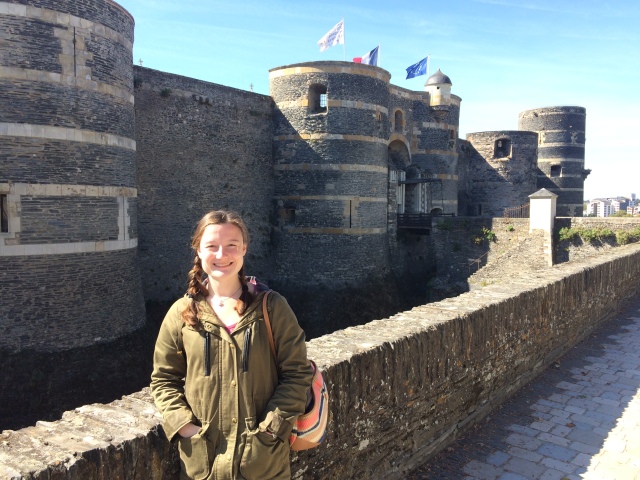


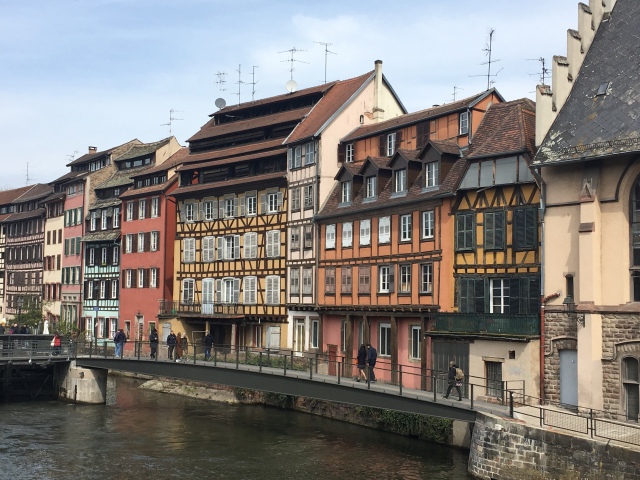


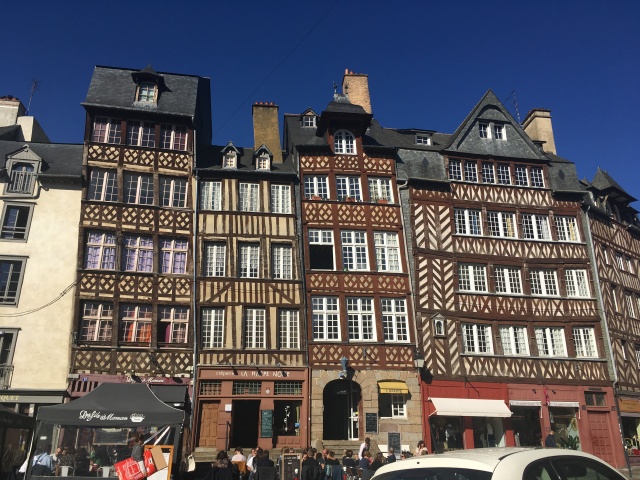
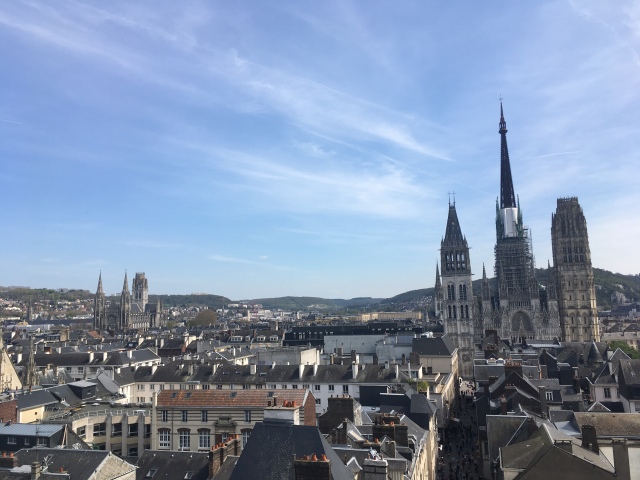
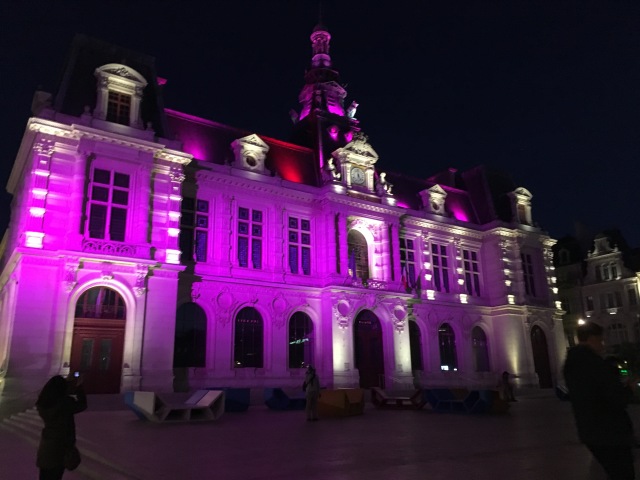

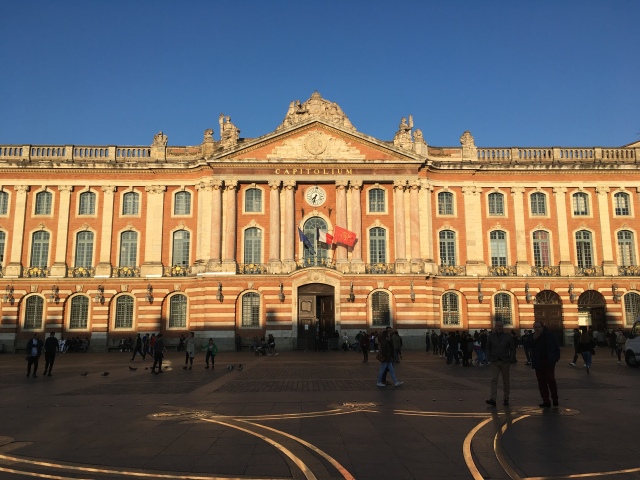


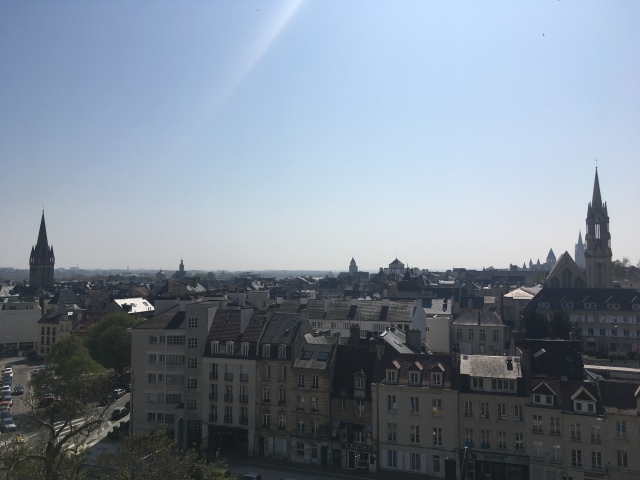

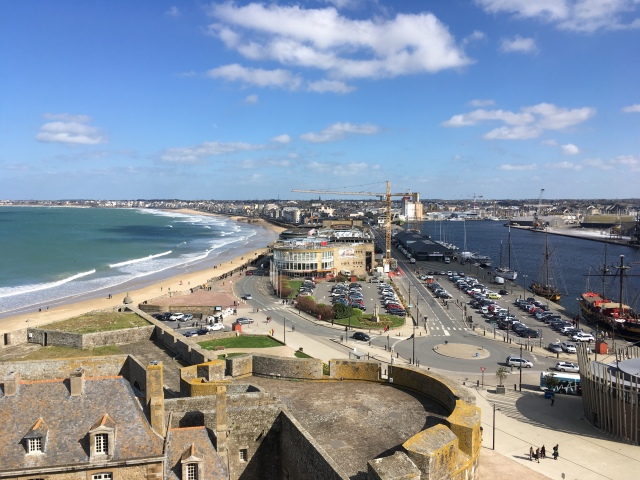


 Not Your Average Giraffe